
How Vermont Weather Affects Exterior Paint
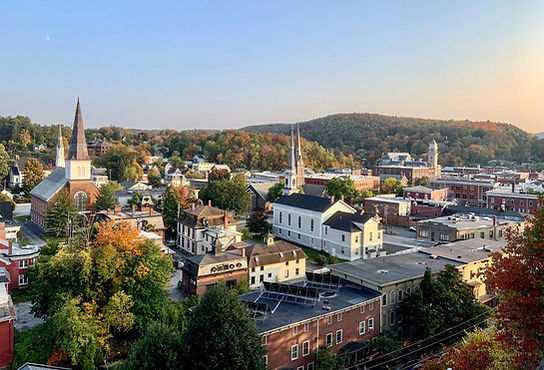
Vermont weather can be beautiful, but it can also be hard on a home’s exterior. Over the course of a year, siding and trim may go through rain, snow, humidity, strong summer sun, freezing temperatures, and repeated seasonal changes.
Exterior paint is designed to protect your home as well as improve its appearance, but those conditions can gradually wear down even a good paint job. Understanding what Vermont weather does to exterior surfaces can help homeowners spot problems earlier and make better decisions about maintenance, prep work, and repainting.
Moisture Is One of the Biggest Challenges
Rain, snow, humidity, and damp conditions can all affect exterior paint.
If moisture gets behind a painted surface, it can weaken adhesion and contribute to problems like bubbling, peeling, or cracking. That is also why surfaces need to be properly dry before new paint is applied.
Areas around windows, doors, trim, gutters, rooflines, and shaded sections of a home may deserve extra attention because they can stay damp longer than areas that get more sun.
Freeze-Thaw Cycles Can Put Surfaces Under Stress
Vermont temperatures can move above and below freezing many times throughout the colder months.
When moisture enters small cracks or exposed areas and then freezes, it expands. As temperatures rise, it thaws again. Repeated freezing and thawing can put additional stress on wood, caulking, and painted surfaces.
That is one reason small areas of peeling, cracking, or exposed wood are worth addressing before they become larger problems.
Cold Temperatures Affect How Paint Cures
Temperature matters when exterior paint is being applied.
Paint needs the right conditions to dry and form a durable coating. When temperatures are too cold, drying and curing can slow down, and the paint may not perform the way it is supposed to.
This is especially important during Vermont spring and fall, when daytime temperatures may feel comfortable but overnight temperatures can drop quickly. Professional painters need to consider the full weather window, not just the temperature at the moment the paint goes on.
Humidity Can Slow Down the Drying Process
High humidity can also affect exterior painting.
When there is a lot of moisture in the air, water-based paint may dry more slowly. That can extend the amount of time the coating needs before it is ready for another coat or before it can safely handle changing weather.
Humidity also matters when the surface itself is damp. Even if it is not actively raining, siding or trim may still need more time to dry after wet weather.
Summer Sun Can Be Tough on Paint Too
Winter is not the only season that affects exterior paint.
Direct sunlight can heat siding and other exterior surfaces well above the surrounding air temperature. Very hot surfaces can cause paint to dry too quickly, which may interfere with how smoothly it levels and bonds.
Over time, UV exposure can also contribute to fading and wear, particularly on areas of the home that receive strong, consistent sunlight.
That is why professional exterior painting often involves working around the sun instead of simply painting the same side of a home all day.
Fall Weather Can Be Deceptive
Fall can provide great painting weather, but it can also be unpredictable.
Warm afternoons may be followed by cold nights, and dew can form on exterior surfaces as temperatures drop. Paint that has not had enough time to dry or cure before moisture settles in may not perform as well.
For exterior painting in Vermont, checking daytime temperatures alone is not enough. Overnight lows, expected rain, humidity, and drying time all need to be considered.
Proper Prep Becomes Even More Important in Vermont
A long-lasting exterior paint job starts with the condition of the surface underneath.
Loose or peeling paint may need to be removed, damaged areas repaired, gaps caulked, and bare surfaces primed when appropriate. The surface also needs to be clean and dry before painting.
Good prep helps the new coating bond properly and gives it a better chance of standing up to Vermont’s changing seasons.
For older homes, there can be another important consideration. Vermont requires lead-safe practices for certain renovation, repair, painting, and maintenance work that disturbs painted surfaces in pre-1978 homes and buildings. The Vermont Department of Health notes that about 60% of Vermont homes were built before 1978, making lead-safe work especially relevant locally.
Timing and Product Choice Matter
There is no single temperature or weather rule that applies to every exterior paint.
Different products have different application requirements, which is why painters need to pay attention to manufacturer instructions, surface temperature, weather conditions, and drying time.
The right product, applied during the right weather window and on a properly prepared surface, can make a major difference in how well an exterior finish performs.
Paint Your Home with Vermont Conditions in Mind
Exterior painting in Vermont takes more than choosing a color and waiting for a sunny day. Moisture, temperature swings, humidity, sunlight, seasonal timing, and surface condition can all affect the final result.
At ProEdge Painting, we understand the conditions Vermont homes face throughout the year. With 15 years of combined experience, our team focuses on proper preparation, product selection, timing, and professional application to help create a clean, durable finish.
Whether your exterior is starting to fade, peel, crack, or simply needs a fresh look, ProEdge Painting can help you determine the right next step.
Thinking about an exterior painting project? Contact ProEdge Painting for a free quote and let our team help you plan around Vermont’s weather.


Comments