
Signs Your Home’s Exterior Paint Needs Attention
Exterior paint does more than make your home look clean and cared for. It also helps protect siding, trim, doors, and other exterior surfaces from weather, moisture, sun exposure, and everyday wear.
In Vermont, exterior paint has to hold up through a lot: snow, rain, ice, humidity, freezing temperatures, warm summers, and seasonal changes. Over time, those conditions can cause paint to fade, crack, peel, or lose its protective strength. Knowing what to look for can help you catch small issues before they turn into larger repairs. Here are a few signs your home’s exterior paint may need attention.
Peeling or Flaking Paint
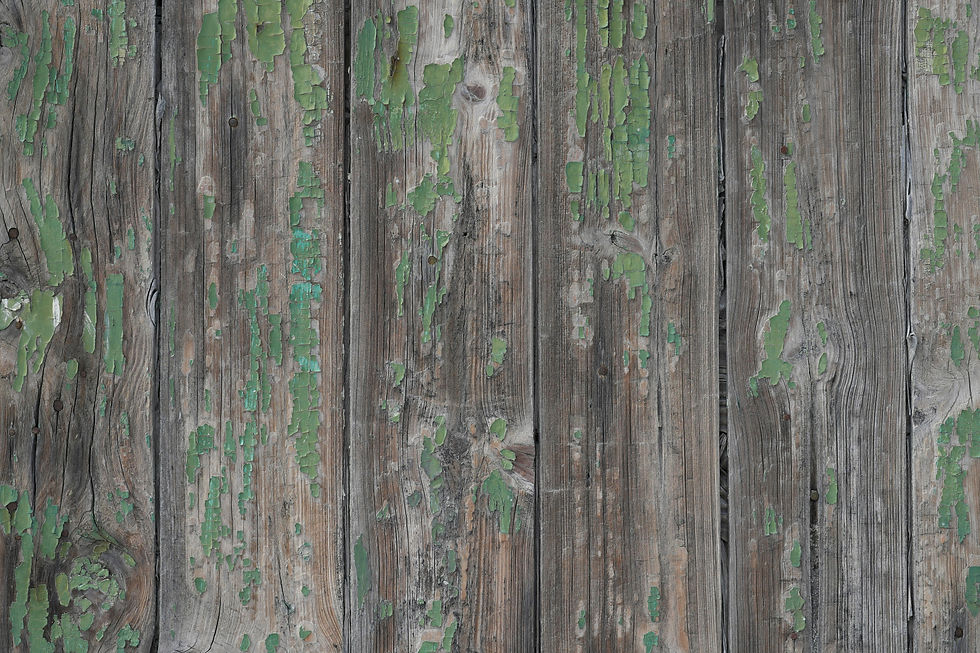
Peeling paint is one of the clearest signs that your exterior needs attention. When paint starts lifting, flaking, or pulling away from the surface, it usually means the paint is no longer bonding properly.
This can happen for several reasons, including moisture, poor surface preparation, age, weather exposure, or painting over a surface that was not fully clean and dry. Once paint starts peeling, the surface underneath may become more exposed to moisture and damage.
If you notice peeling around siding, trim, windows, doors, or porch areas, it is a good idea to have it looked at before it spreads.
Cracking or Bubbling Paint
Cracking and bubbling are also signs that paint may be failing. Cracks can allow moisture to reach the surface underneath, while bubbles often mean the paint film is lifting away from the surface.
These issues are especially important to watch before winter. In Vermont, moisture can get into small openings and become more damaging as temperatures freeze and thaw. What starts as a small crack or bubble can become a bigger problem if it is left through the colder months.
Fading or Uneven Color
Fading does not always mean your paint is failing right away, but it can be a sign that the finish is wearing down. Sun exposure, weather, and age can all cause exterior paint to lose color over time.
You may notice that one side of the home looks more faded than another, especially if it gets more direct sunlight. Trim, shutters, doors, and darker paint colors may also show fading more clearly.
If the color looks dull, uneven, or washed out, a fresh coat of paint can help restore curb appeal and give your home a cleaner, more polished look.
Chalky Residue on the Surface
If you run your hand across the siding or trim and notice a powdery residue, the paint may be chalking. Some chalking can happen naturally as exterior paint ages, but heavy chalking can be a sign that the paint film is breaking down.
Chalky surfaces can also make it harder for new paint to bond properly if they are not cleaned and prepared the right way. That is why proper prep work is so important before repainting.
Exposed Wood or Bare Spots
Bare spots, exposed wood, or areas where paint has worn away should not be ignored. Paint helps protect exterior surfaces from moisture, and once that protection is gone, the material underneath can become more vulnerable.
Wood trim, siding, railings, porch areas, and window frames are especially important to watch. If exposed areas are left untreated, they may absorb moisture and lead to more repair work later.
Cracked or Failing Caulking
Caulking around windows, doors, trim, and seams helps seal gaps and keep moisture out. When caulking cracks, separates, or pulls away, water may have an easier path into areas it should not reach.
Failing caulking can also make a paint job look older and less finished. Repairing and replacing caulking when needed is an important part of exterior maintenance and preparation.
Signs of Moisture or Mildew
Moisture is one of the biggest things to watch when it comes to exterior paint. Dark staining, mildew, soft spots, bubbling, or paint that fails in shaded or damp areas may be signs that moisture is affecting the surface.
In Vermont, shaded areas, sections near trees, places close to the ground, and spots around gutters or roof-lines may hold moisture longer. These areas may need extra attention before repainting to make sure the surface is clean, dry, and ready.
Older Vermont Homes May Need Extra Care
Many Vermont homes have history and character, but older homes may need special care when exterior paint starts to fail. If a home was built before 1978, painted surfaces may contain lead-based paint.
When old paint is scraped, sanded, or disturbed, lead-safe practices may be required. This is especially important if paint is peeling, cracking, or flaking and needs to be removed before repainting.
Working with a knowledgeable painting company can help make sure the project is handled carefully and properly.
Protect Your Home with ProEdge Painting
If your home’s exterior paint is peeling, cracking, bubbling, fading, chalking, or exposing bare wood, it may be time to have the surface looked at. Addressing these signs early can help protect your home and prevent small problems from becoming bigger repairs.
At ProEdge Painting, we understand how Vermont weather affects exterior surfaces. With 15 years of combined experience, our team focuses on proper preparation, quality products, and a clean, professional finish.
Whether your home needs touch-ups, repainting, or help figuring out the right next step, ProEdge Painting can help.
Noticing signs of wear on your home’s exterior? Contact ProEdge Painting for a free quote and let our team help you protect and refresh your home.

Comments